Meeting economics
How to Calculate the Real Cost of a Meeting
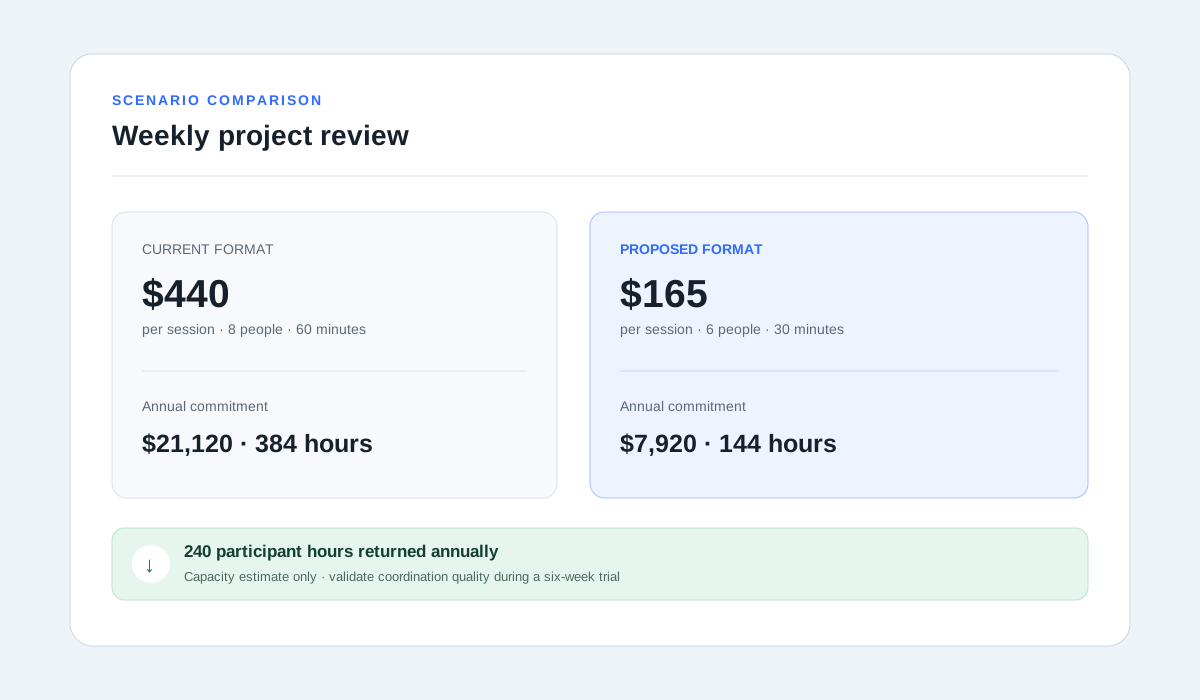
A practical model for translating attendance, duration, and compensation bands into a useful planning estimate.

Use these guides to diagnose the work, choose a format, prepare the inputs, and leave a useful record.
A practical model for translating attendance, duration, and compensation bands into a useful planning estimate.
A decision framework based on urgency, ambiguity, interaction, and consequence—not a blanket rule against meetings.
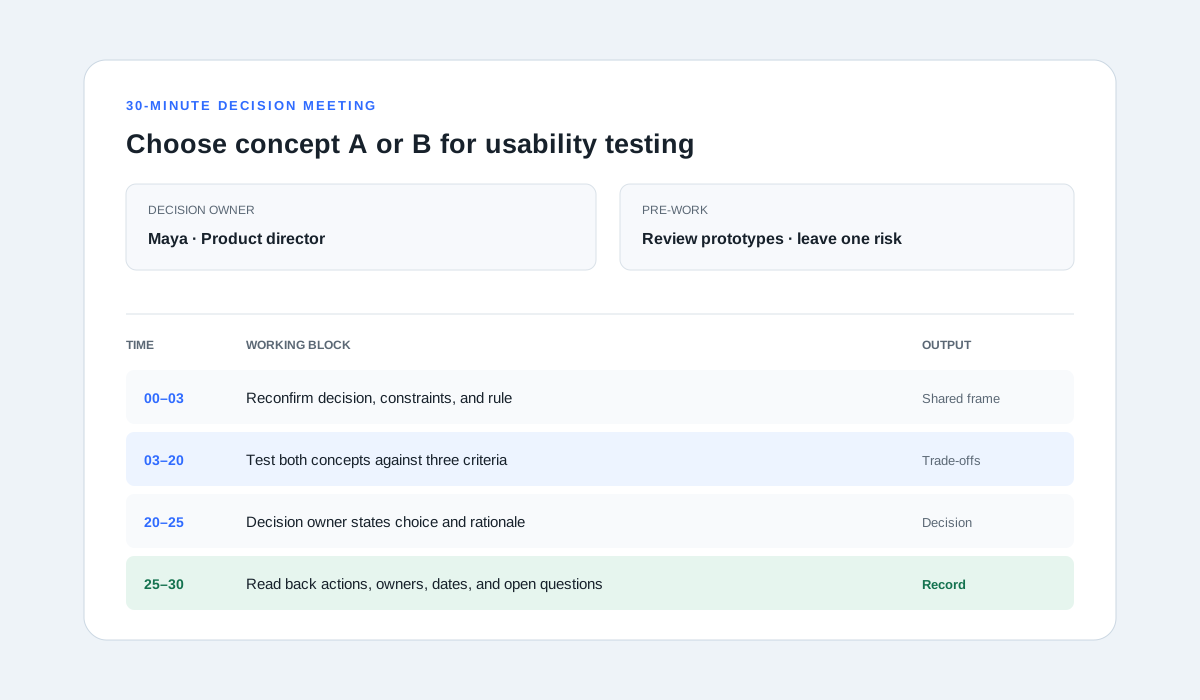
Build an agenda around outcomes, prepared inputs, named roles, and realistic timeboxes.
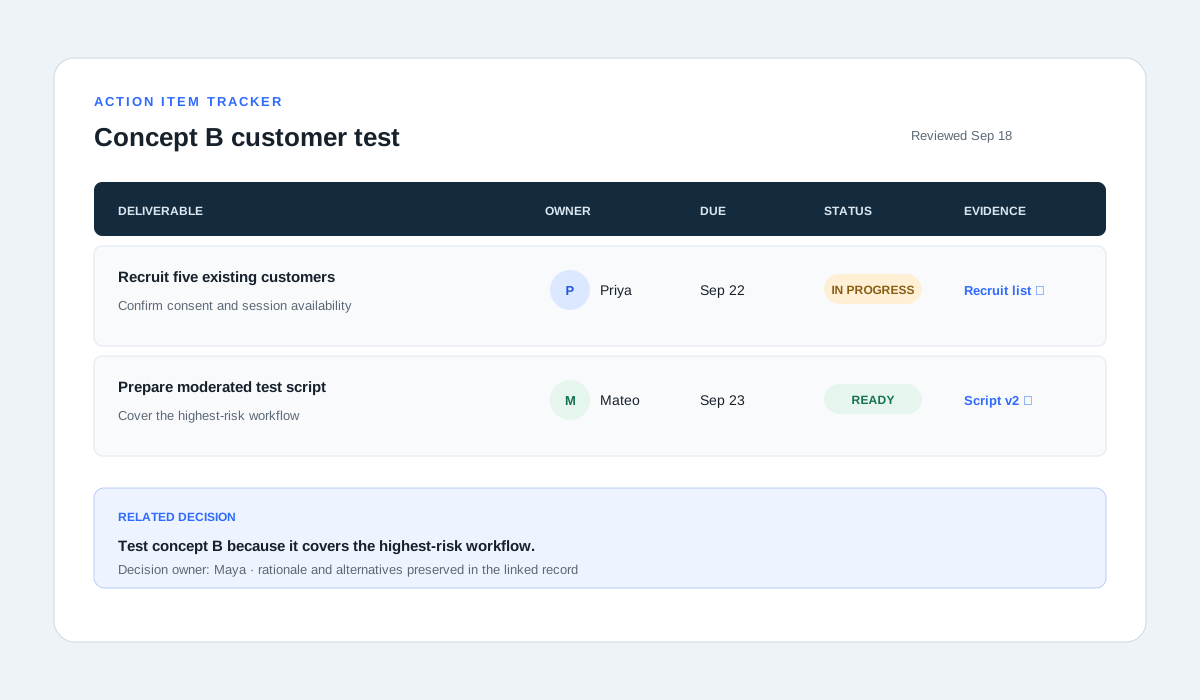
A lightweight method for separating discussion history from commitments, decisions, and unresolved questions.
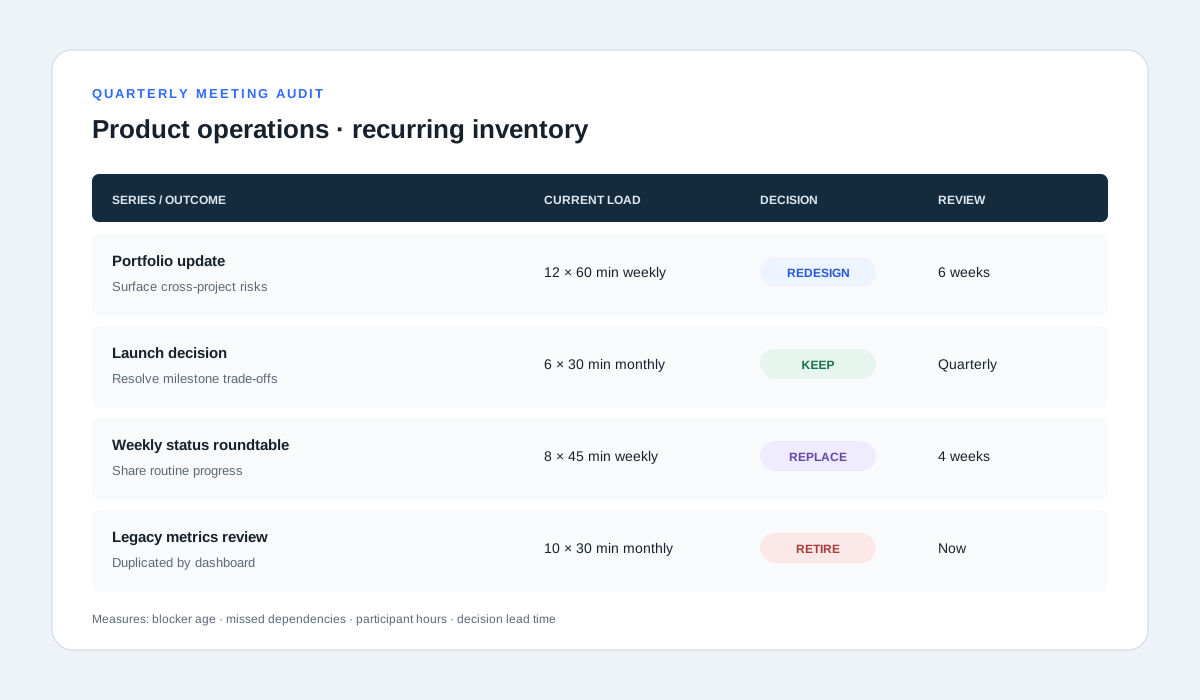
A quarterly review method that separates useful team rituals from calendar series that continue by default.
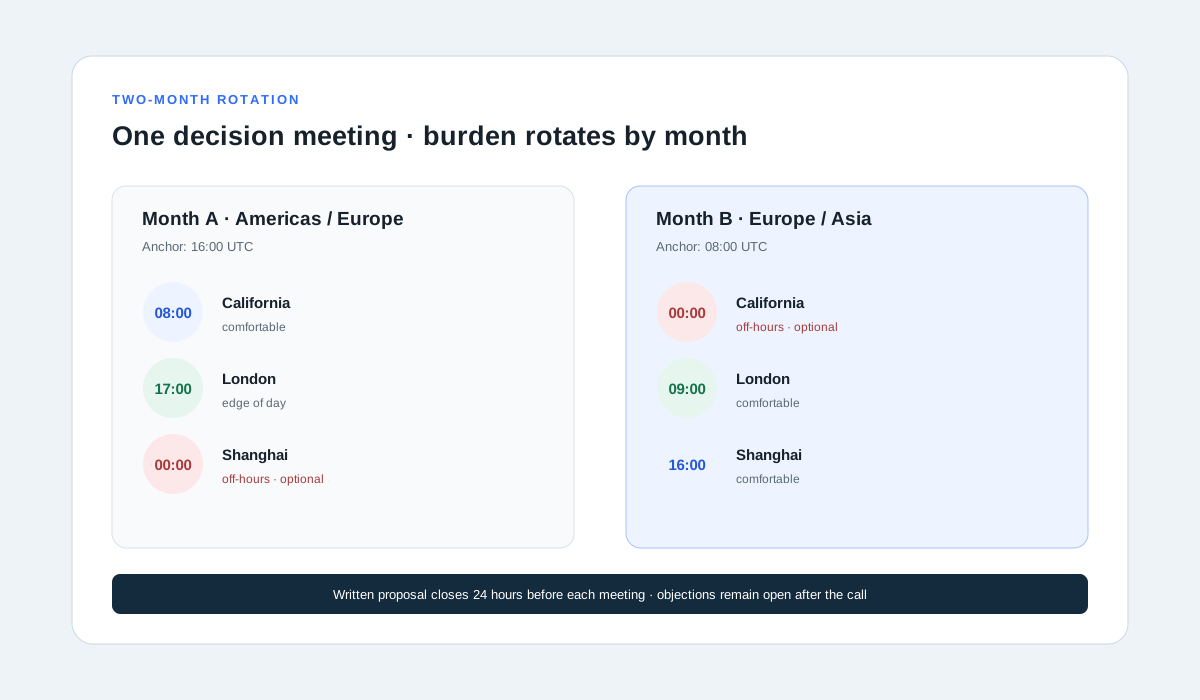
Move beyond finding one possible overlap: measure off-hours burden, rotate inconvenience, and document local constraints.
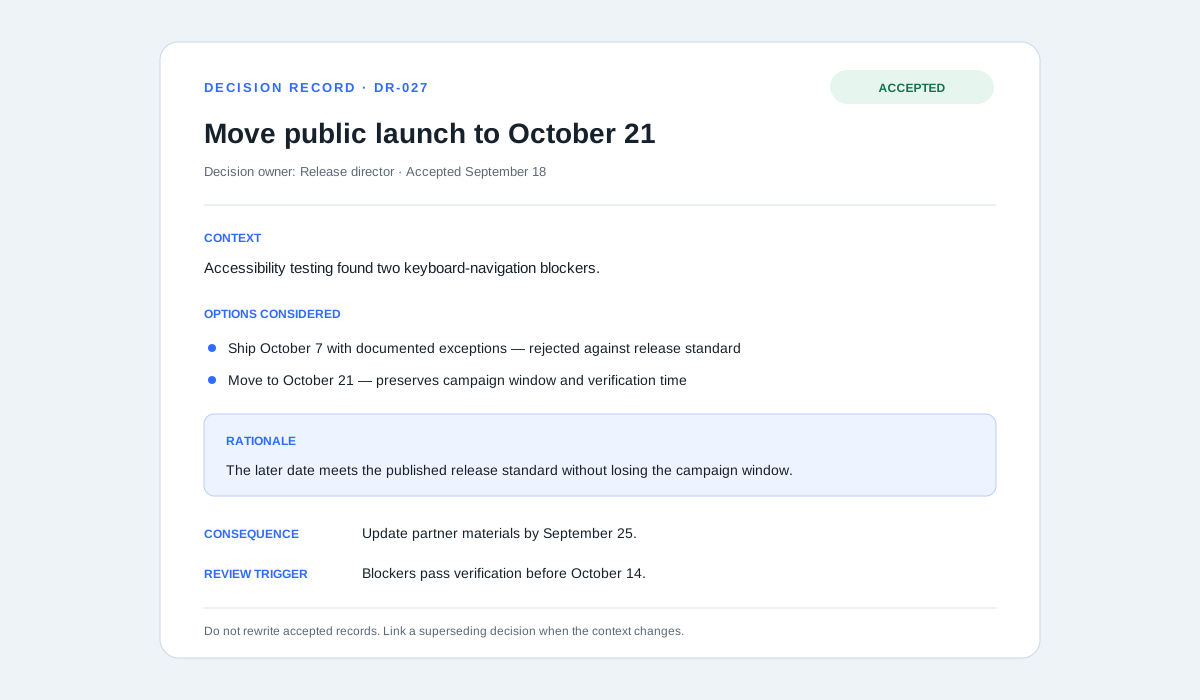
Record the choice, context, owner, consequences, and superseding decisions without turning notes into a transcript.
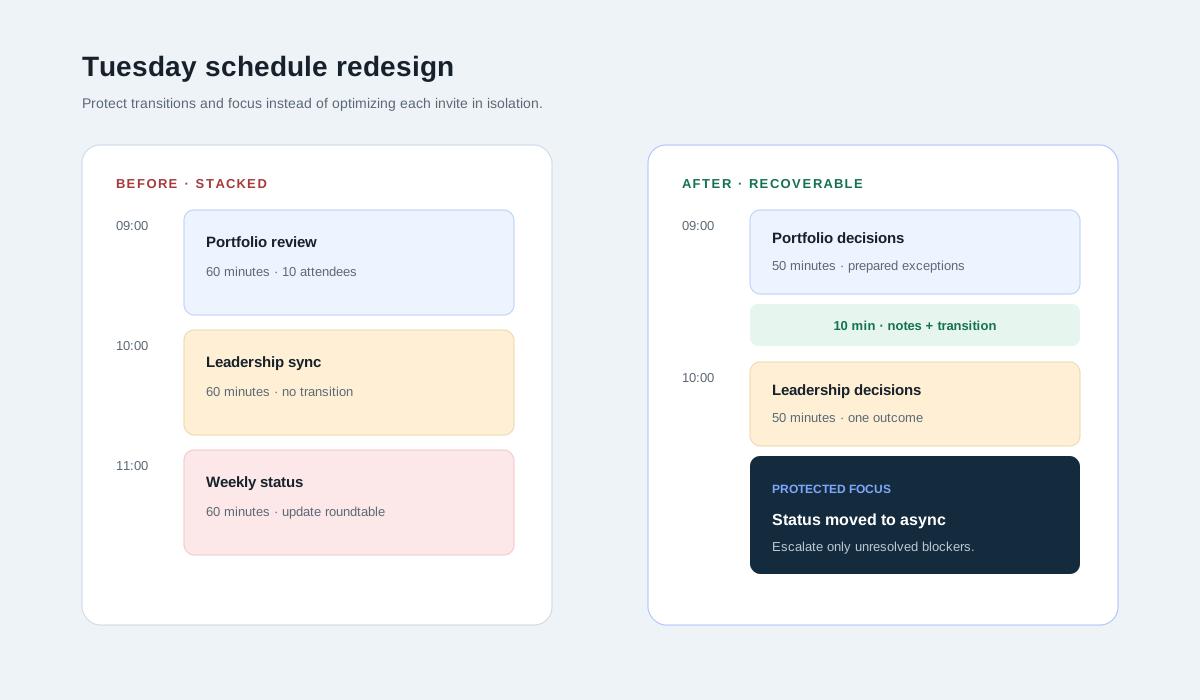
Plan cadence, duration, and spacing as a workload system rather than optimizing each invitation in isolation.
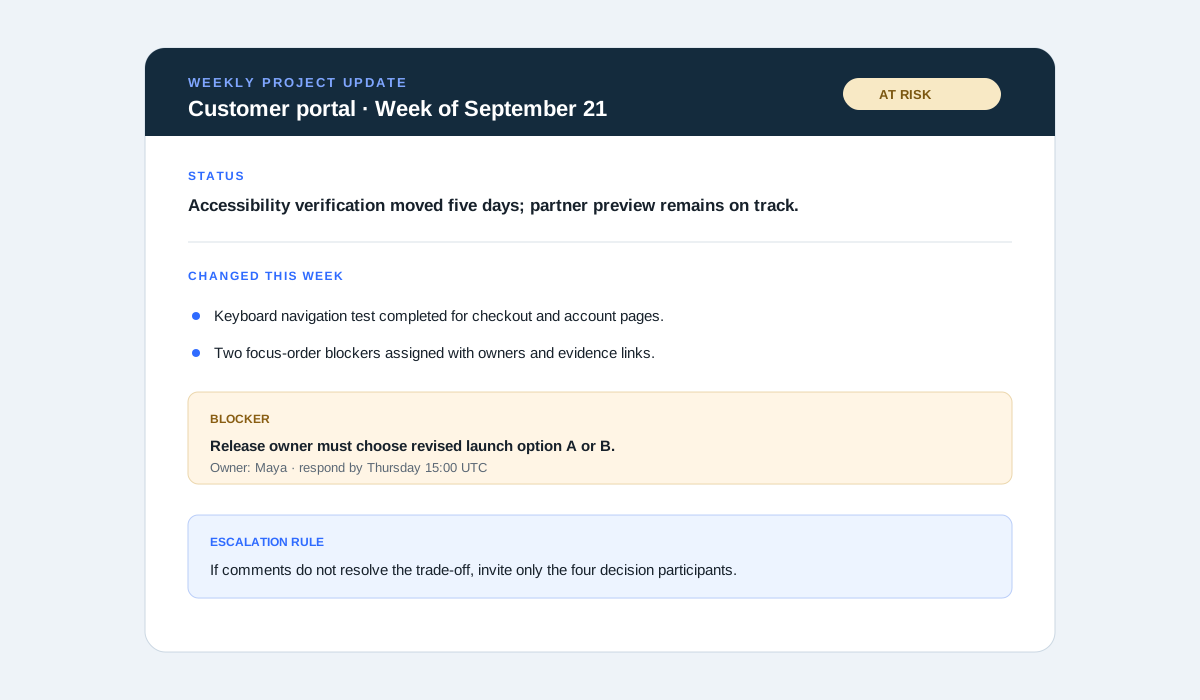
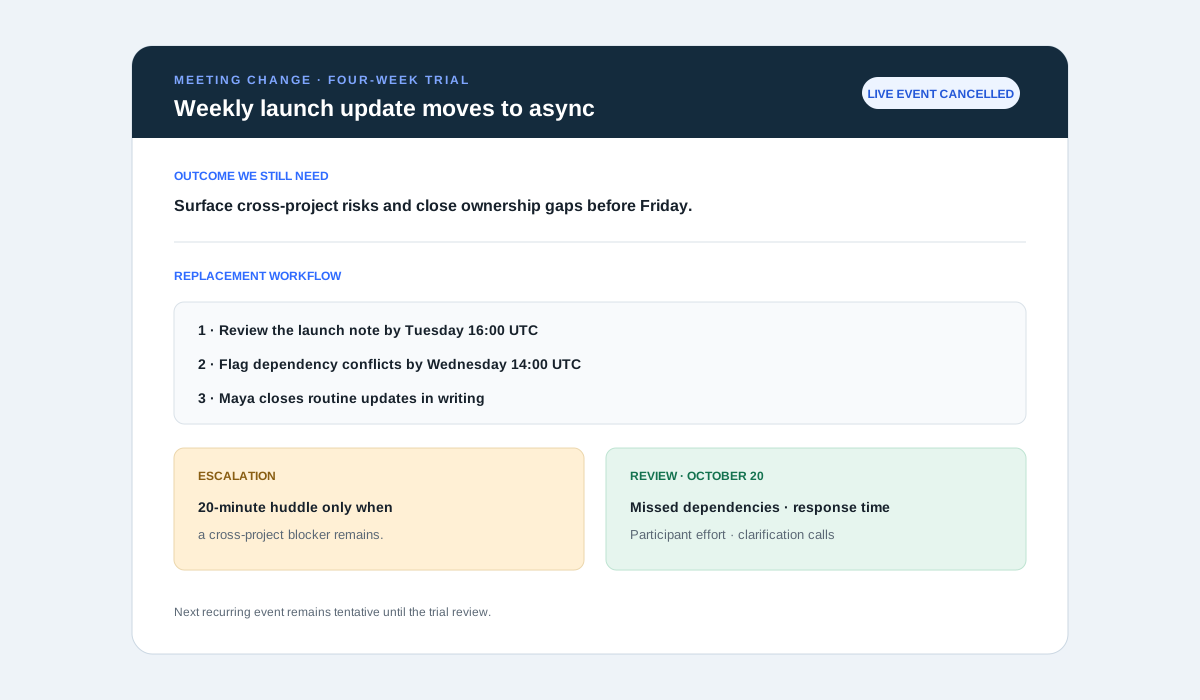
Replace a calendar event with a bounded workflow that preserves context, ownership, deadlines, and escalation.
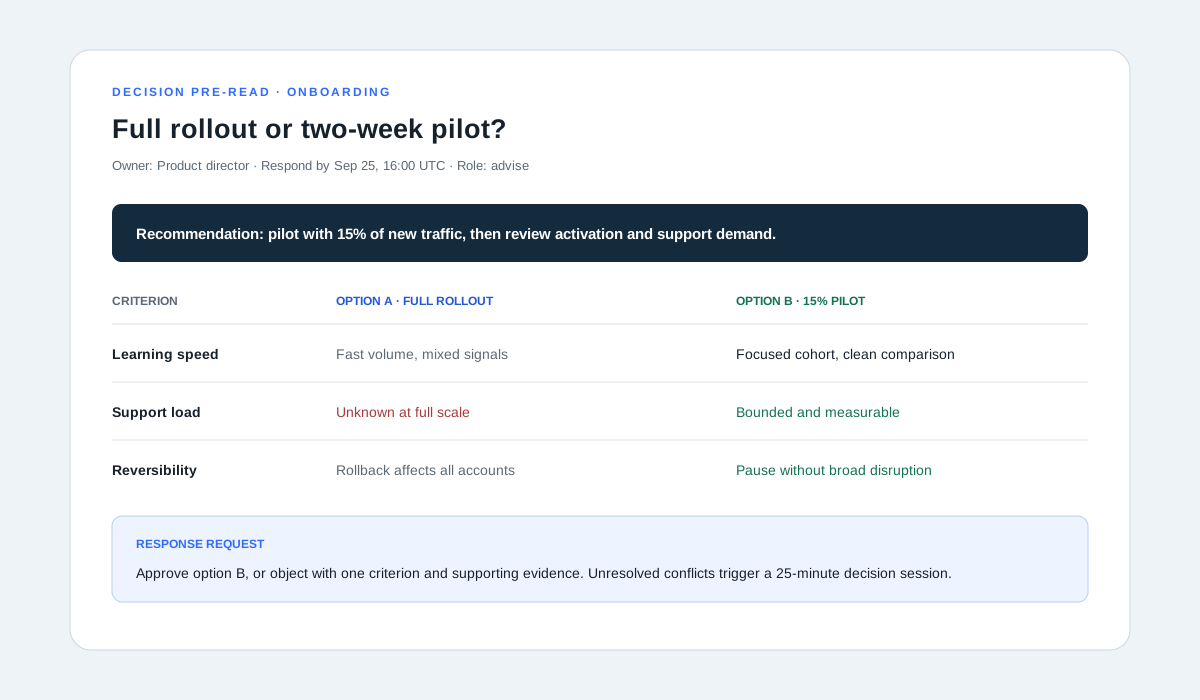
Prepare a short decision document that separates evidence, options, constraints, and the exact choice required.
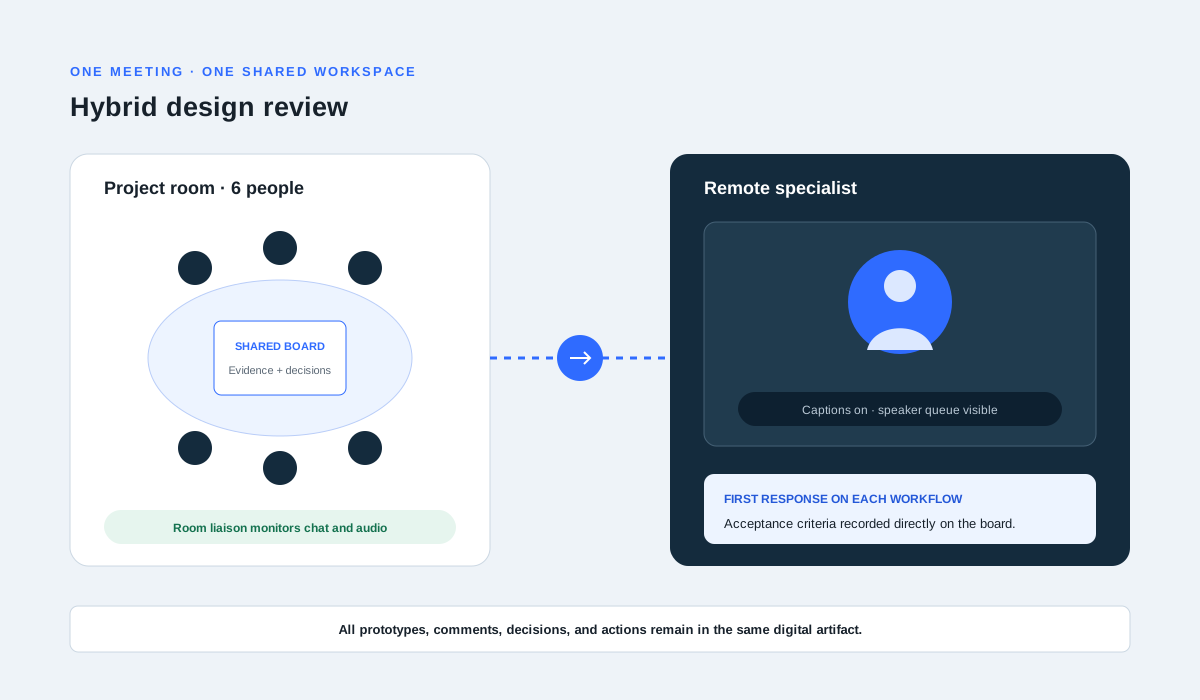
Design audio, turn-taking, shared materials, and facilitation so remote participants are not a second room.
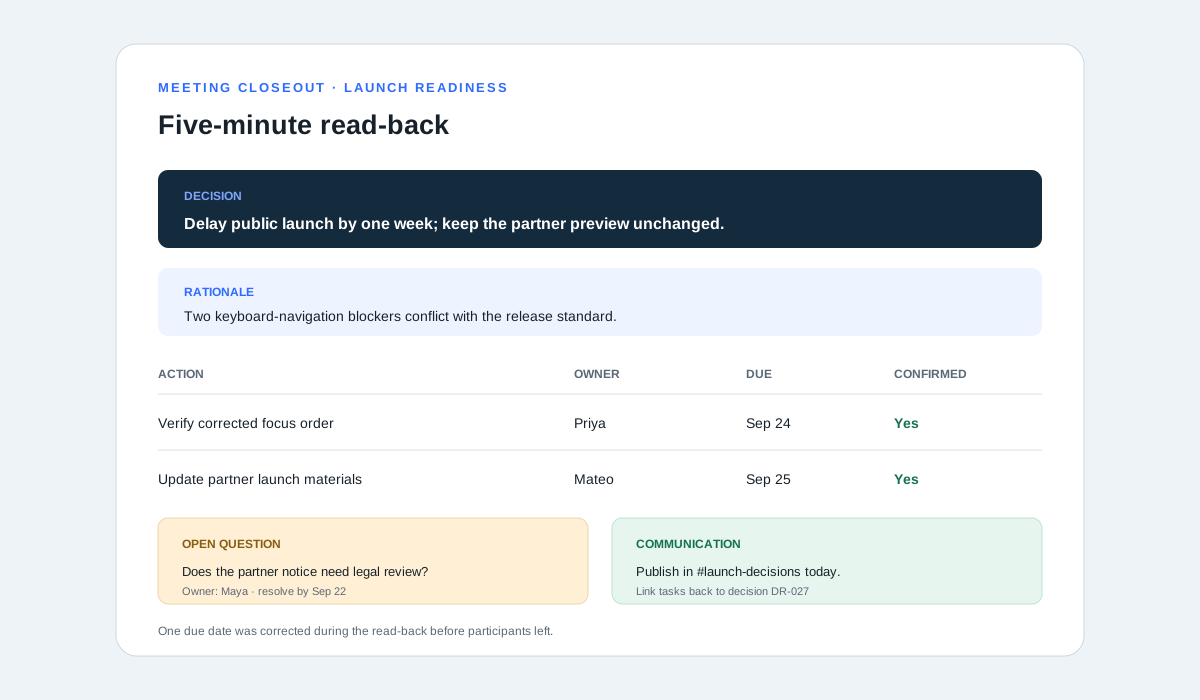
Use a disciplined read-back to confirm decisions, owners, deadlines, open questions, and the next communication.
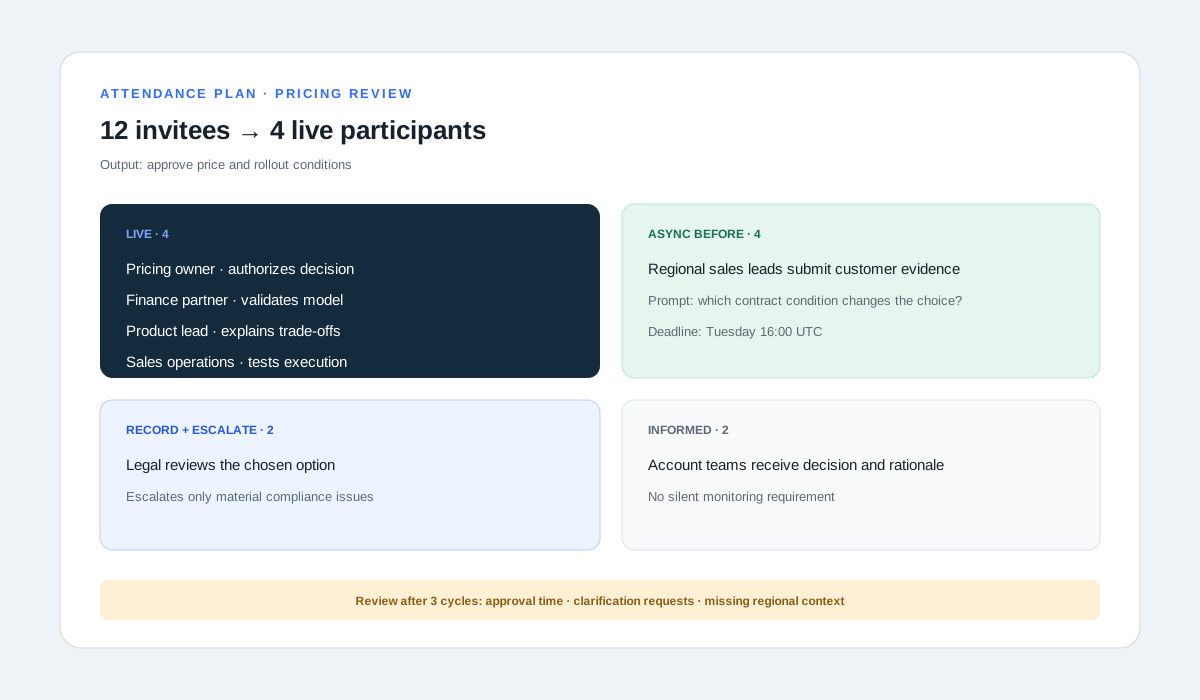
Design attendance around decision authority, required interaction, expertise, consultation, and visibility.
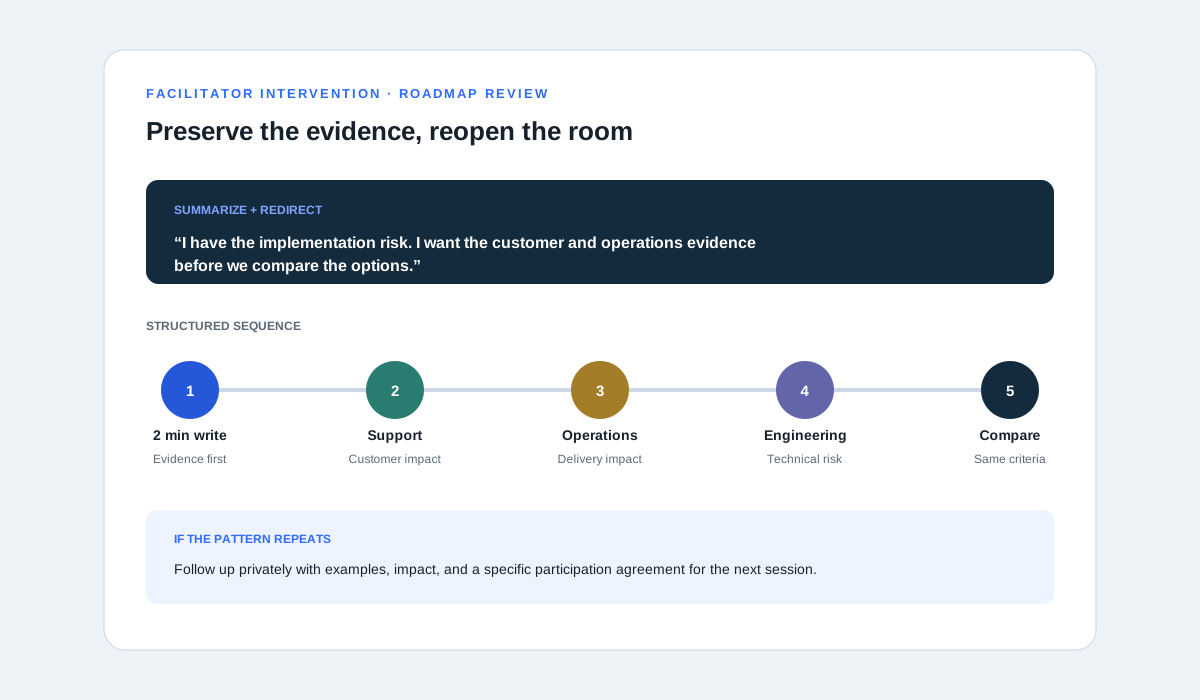
Use structure, evidence, and neutral interventions to rebalance participation without silencing expertise.
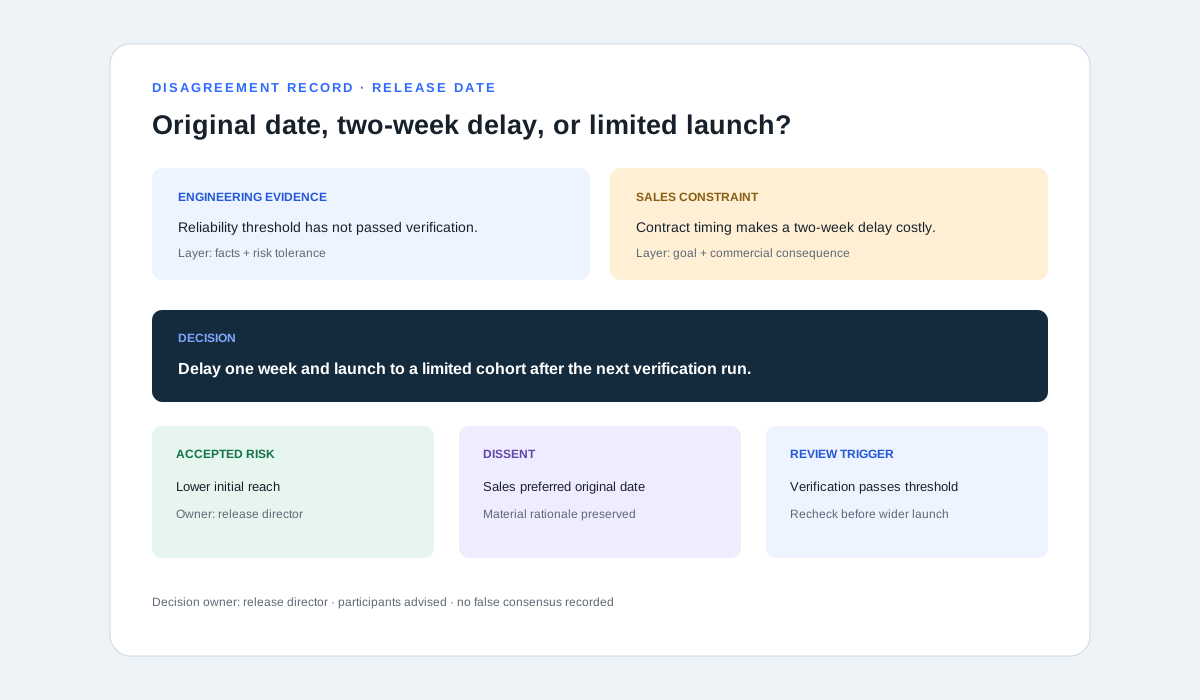
Separate disputes about facts, goals, options, authority, and risk so the group resolves the right problem.
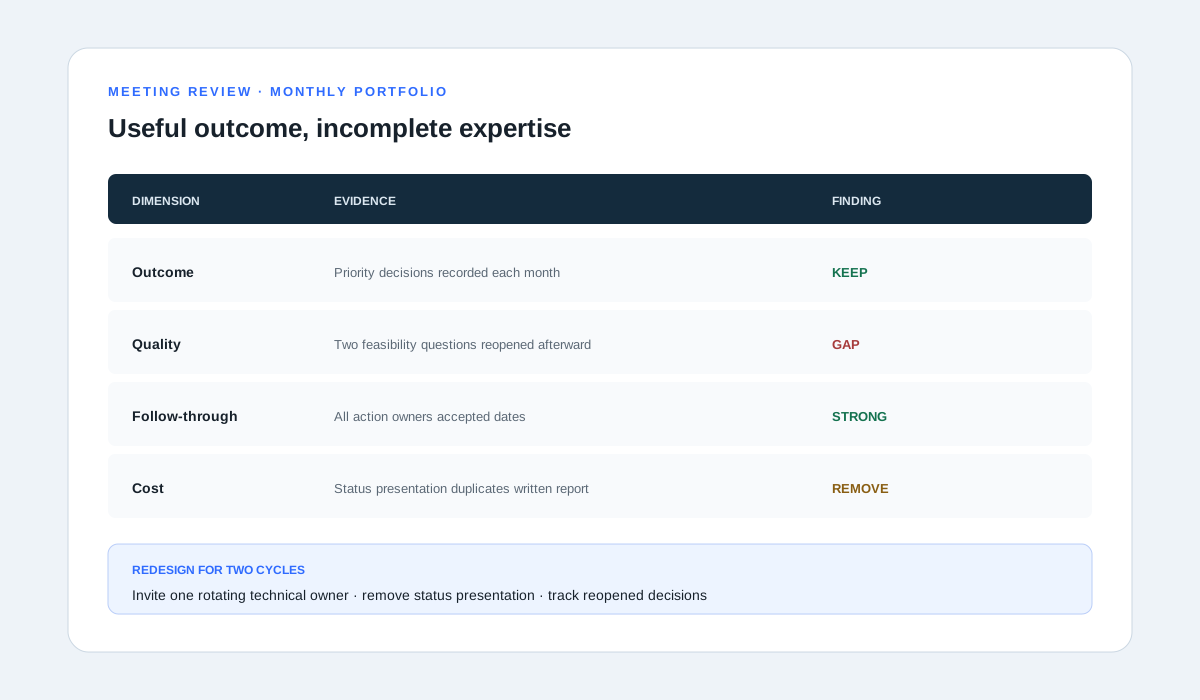
Evaluate outcomes, decision quality, follow-through, participation, and coordination cost without relying on satisfaction alone.