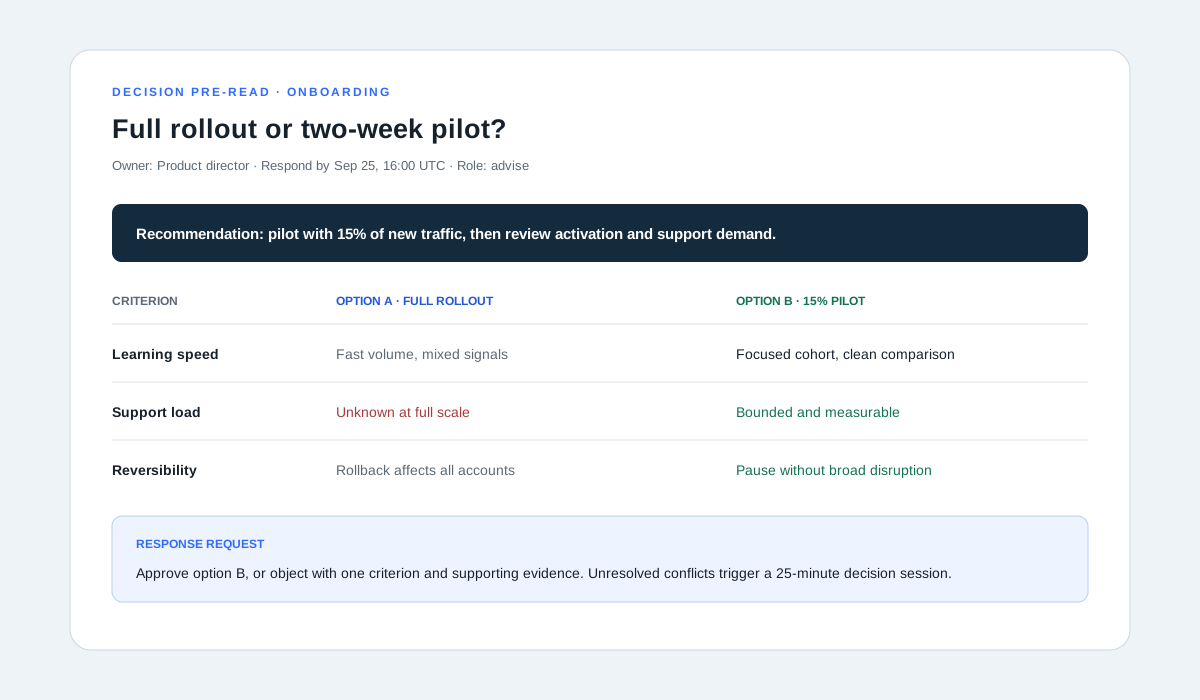
Start with the decision contract
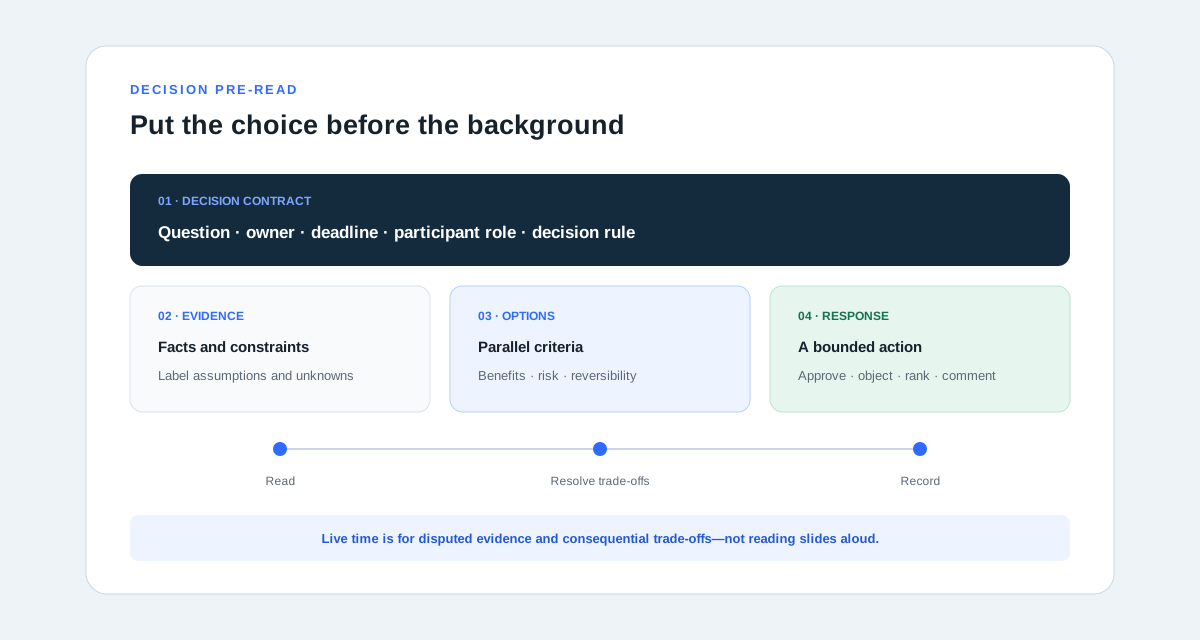
A pre-read should let a participant understand the choice before absorbing the background. Put the decision question, decision owner, decision deadline, and participant role at the top. State whether the group advises, consents, or decides; otherwise readers may prepare for different kinds of conversation.
Use a question that exposes the real choice. ‘Discuss onboarding’ is not a decision. ‘Choose whether to launch the guided onboarding flow to all new accounts or run a two-week pilot with one segment’ defines the options and the level of commitment.
Compress context around what changed
Include only context that affects the decision: the trigger, constraints, relevant evidence, and consequences of waiting. Link detailed research or project history rather than copying it into the main page. Label estimates and assumptions so uncertain inputs are not mistaken for established facts.
- Facts: verified information that every option must account for
- Assumptions: inputs that may change and should be tested
- Constraints: cost, timing, policy, capacity, or technical boundaries
- Unknowns: gaps that affect confidence but may not prevent a decision
Make the options comparable
Describe two or three credible options using the same criteria. Include the status quo when it is a real choice, but do not create a weak option merely to make the recommendation look stronger. Show benefits, costs, reversibility, dependencies, and important risks in parallel.
State a recommendation and explain why it best fits the criteria. A pre-read is more useful when the author makes a testable proposal than when every observation is presented without judgment.
Design the reading and response protocol
Send the document early enough for the requested work. Ask readers to approve, object, rank, comment on named assumptions, or add missing evidence by a deadline. If silence counts as consent, say so only when participants have agreed to that rule and the decision is appropriate for it.
For a page-led meeting, reserve a quiet reading window when advance preparation is unreliable. Then use live time to clarify evidence, test trade-offs, and record the decision rather than presenting the document line by line.