Stop the working discussion on purpose
A meeting that runs until the calendar alert fires usually ends with implied agreement and untested commitments. The facilitator should announce the close and stop adding new arguments. If a late point could change the decision, record it as an open question and identify who will resolve it rather than letting the meeting drift past its boundary.
Reserve at least five minutes for a short decision session and more for a complex review. Treat that time as an agenda block with an owner and output, not as optional buffer.
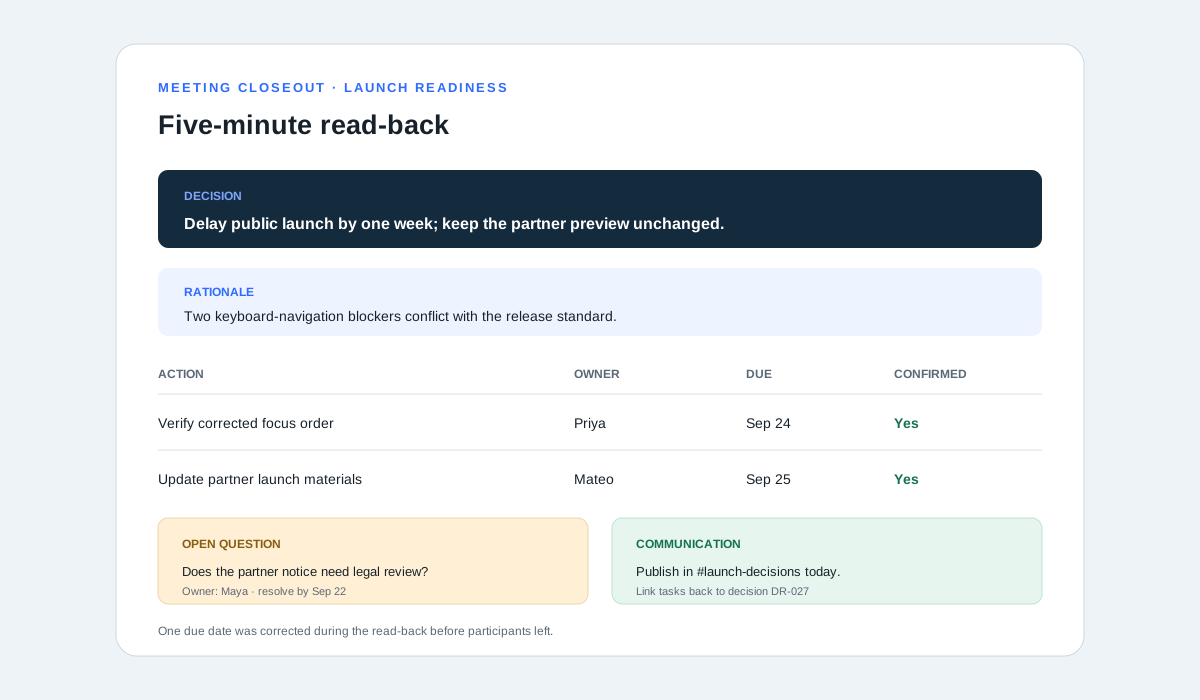
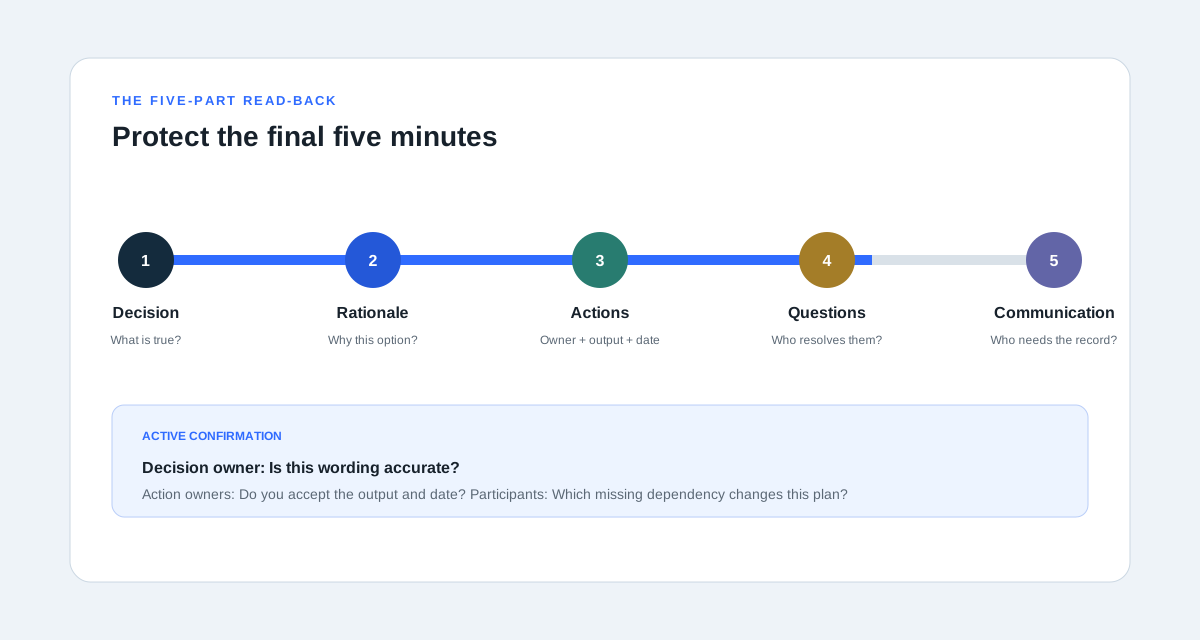
Use the five-part read-back
The note-taker or facilitator reads the operational record aloud while participants can still correct it. Use direct language and separate decisions from actions. A statement such as ‘we should probably test the smaller rollout’ is not yet a decision; a statement naming what will happen and who owns it is.
- Decision: what is now true or authorized
- Rationale: the decisive constraint or evidence
- Actions: verb, deliverable, one accountable owner, and date or trigger
- Open questions: owner, next step, and resolution deadline
- Communication: who else needs the result and where it will be published
Ask for active correction
Do not end with a vague ‘any questions?’ Ask decision owners whether the wording is accurate, action owners whether they accept the commitment, and participants whether a missing dependency changes the plan. Silence is easier to interpret after the facilitator has asked a bounded confirmation question.
If an owner cannot accept a date, revise it immediately or record the dependency that prevents commitment. This is cheaper than discovering after the meeting that the task was assigned but never owned.
Publish and connect the record
Post the closeout in the team's normal system soon after the meeting. Move tasks into the task tracker when appropriate, but link them back to the decision and rationale. People who did not attend should be able to understand what changed without reading a transcript.
For recurring meetings, begin the next session by reviewing only overdue actions, changed assumptions, and open decisions. Avoid rereading every completed item; the record should reduce meeting time rather than create a new reporting ritual.