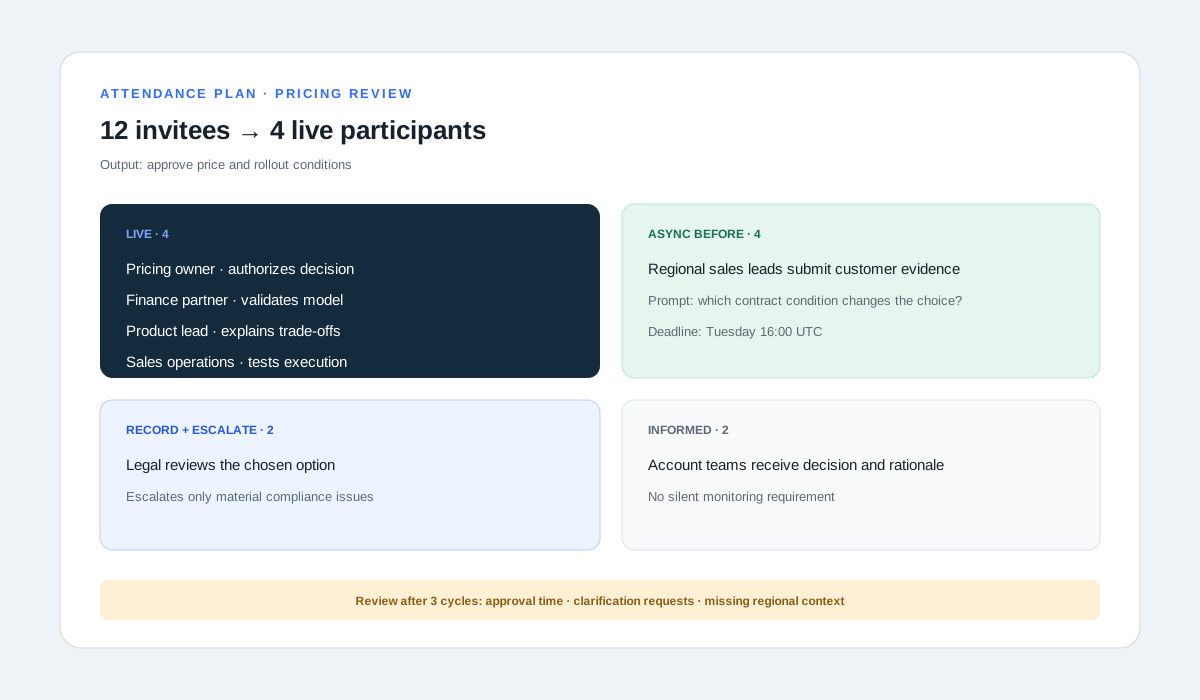
Start with the interaction the meeting must contain
Attendance decisions are difficult when the meeting purpose is broad. Name the live interaction first: authorize a choice, negotiate a dependency, test a proposal, repair a relationship, or coordinate an urgent response. If the event only transfers information, redesign the format before optimizing the guest list.
Write the output and decision owner beside the invitation. A person belongs live when the outcome cannot be produced reliably without their authority, expertise, or interaction during the stated window.
Classify roles by contribution
Do not use seniority as a shortcut. A senior stakeholder may only need the record, while a frontline specialist may hold evidence required in the discussion. Use a role matrix that explains how each person contributes and what they receive if they do not attend.
- Decision owner: authorizes the final choice and remains live
- Live contributor: provides interaction that changes in response to others
- Essential expert: answers questions that cannot be resolved beforehand
- Consulted contributor: provides bounded input before the session
- Action owner: accepts follow-up through the record unless negotiation is needed
- Informed stakeholder: receives the outcome and escalation route afterward
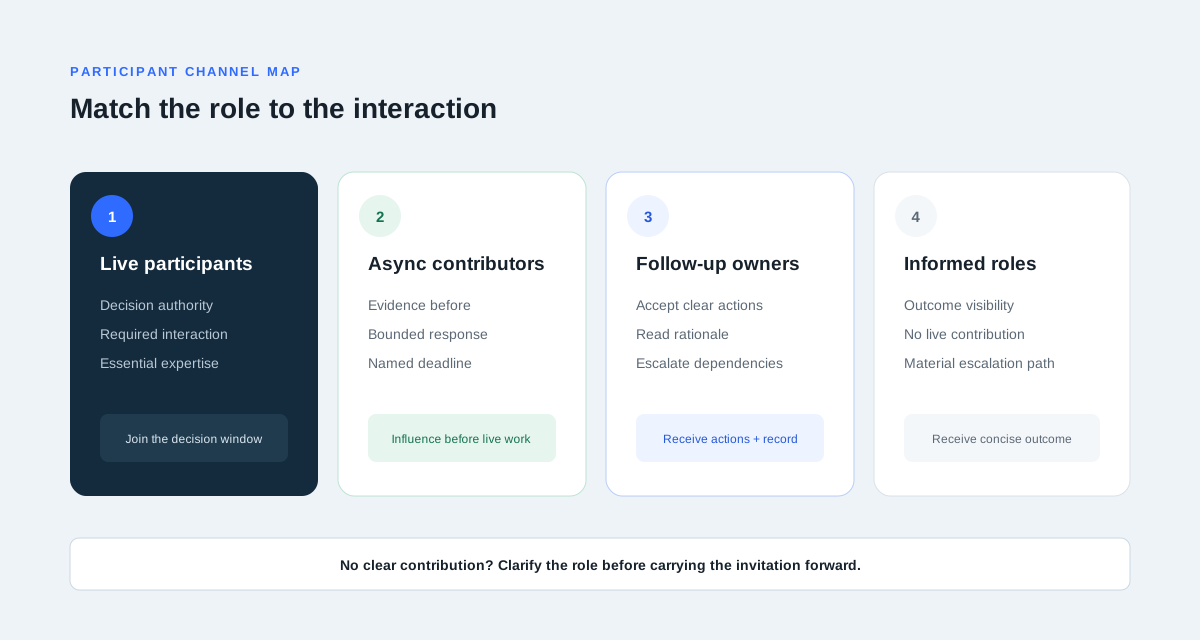
Design a credible non-attendance path
Removing someone from an invitation without replacing access can become exclusion. Async contributors need the decision prompt, evidence, response deadline, and confirmation that their input was considered. Informed stakeholders need a concise record and a route to flag a material consequence.
Distinguish optional attendance from silent obligation. If a person is expected to monitor the whole call in case one topic appears, split that topic out, ask for input beforehand, or invite them only for a scheduled segment.
Test the smaller group against coordination evidence
After several occurrences, check whether the meeting reaches decisions with the necessary evidence, whether absent contributors repeat context afterward, and whether action owners accept the record. A lower participant count is not a success if it produces slower approval or private rework.
Restore a participant when their live contribution is repeatedly needed. Remove or redefine roles that still have no observable purpose. Attendance design is a reversible operating choice, not a permanent statement about importance.