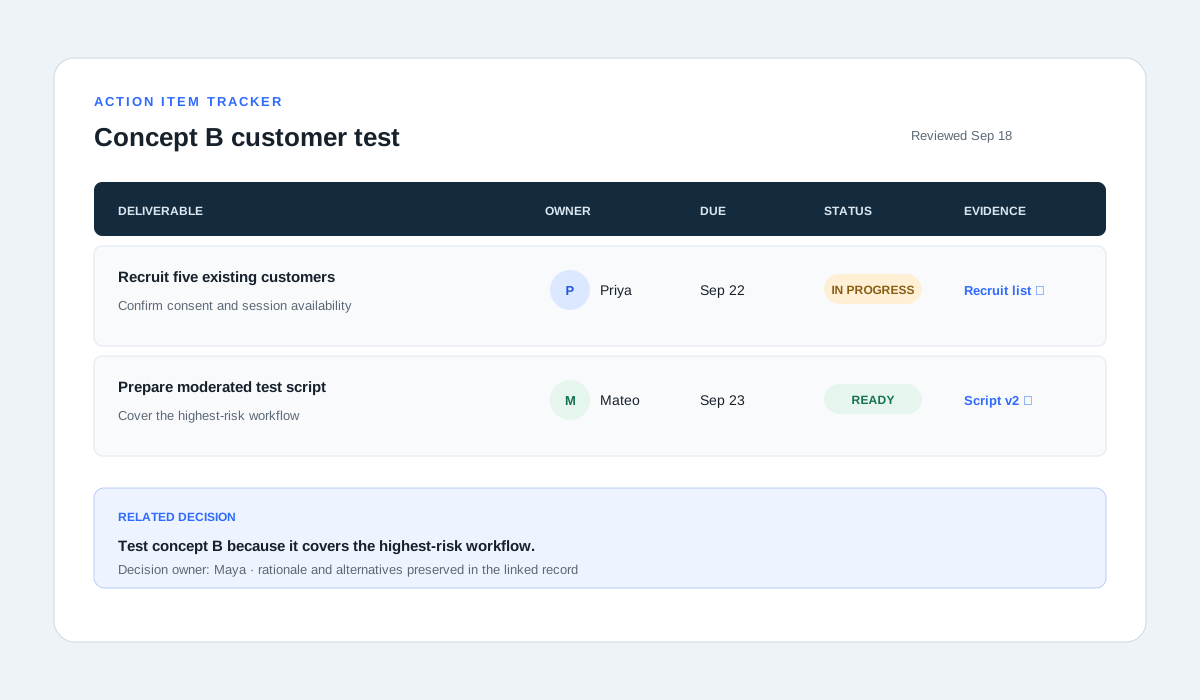
Capture commitments, not a transcript
Long chronological notes can preserve context while hiding what happens next. Use separate sections for decisions, actions, open questions, and essential discussion context. This lets readers scan the operational record without replaying the conversation.
A transcript may support accessibility or detailed review, but it should not be the only artifact used to manage follow-through.
Use a testable action-item format
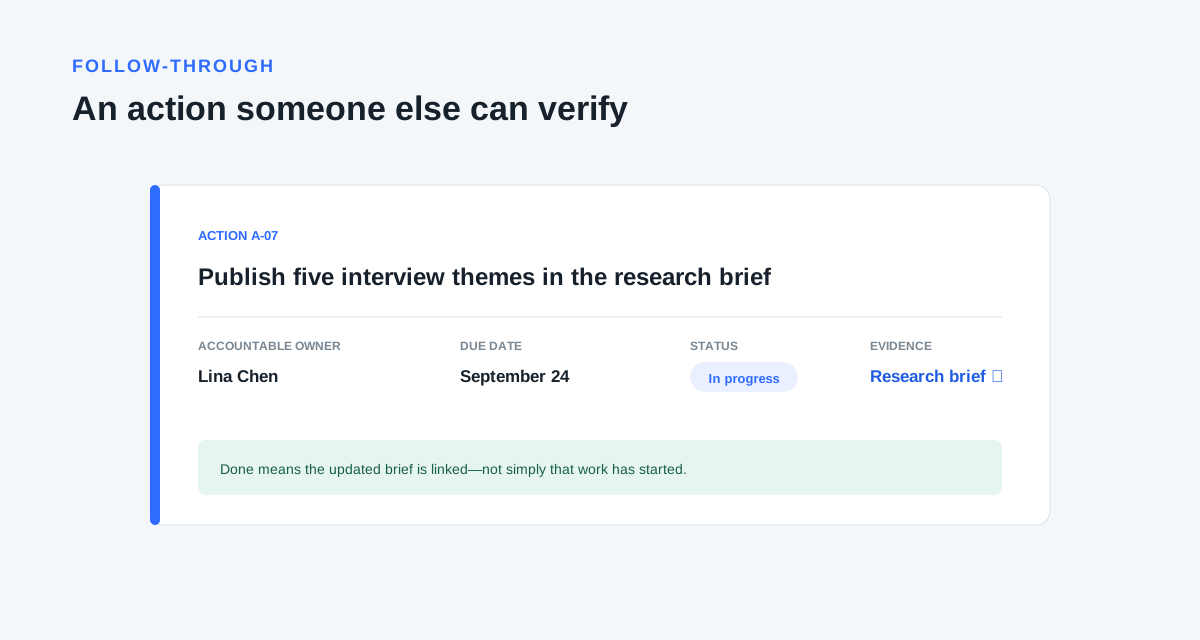
Write each commitment as a verb plus a deliverable, followed by one accountable owner and a date or explicit trigger. ‘Team to review’ spreads responsibility until no one owns it. Contributors can be listed separately from the accountable owner.
- Weak: Follow up on customer feedback
- Stronger: Lina will group the 18 interview notes into five themes by September 24
- Weak: Engineering to investigate
- Stronger: Dev will reproduce the timeout and post logs to issue 184 before the next triage
Close the meeting with a read-back
Reserve the final minutes for the note-taker or facilitator to read decisions and actions aloud. Owners can correct the wording, reject an unrealistic deadline, or surface a missing dependency while the relevant people are still present.
Publish the record in the team's normal system soon after the meeting. Moving tasks into a tracker is useful, but retain a link back to the decision context so future readers understand why the work exists.