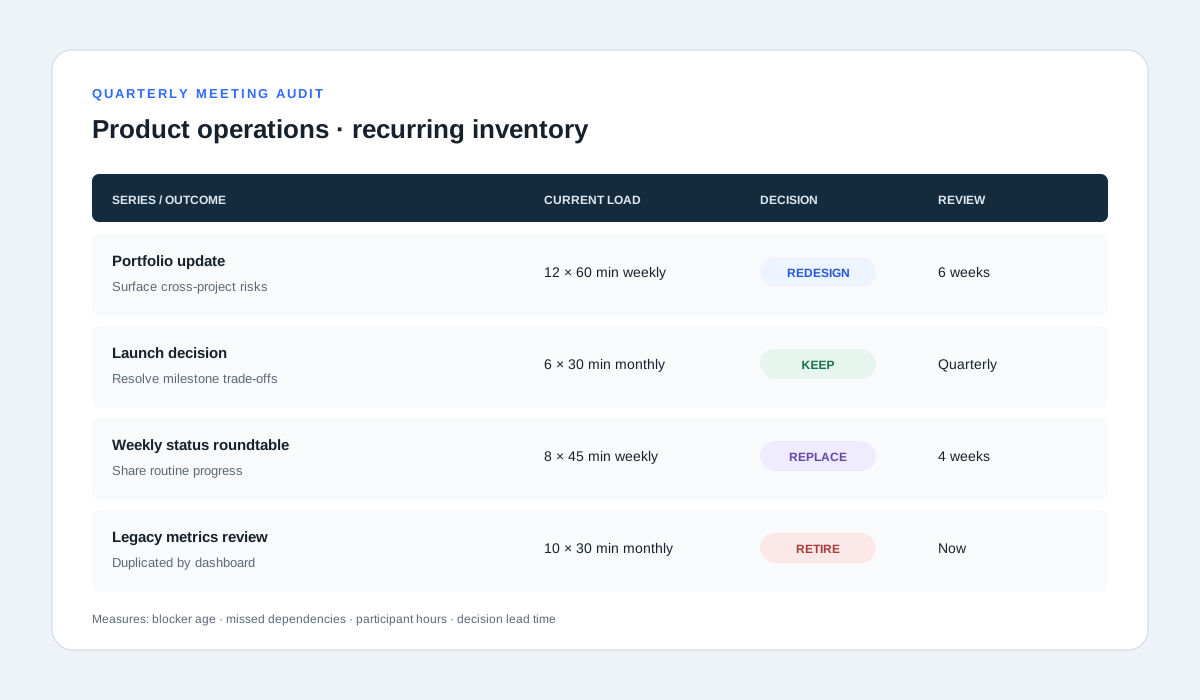
Build an inventory before debating individual meetings
Start with every recurring series owned by the team: reviews, stand-ups, office hours, planning sessions, stakeholder updates, and social rituals. Record the intended outcome, cadence, duration, required attendees, decision owner, and the artifact produced. The inventory exposes overlap that is difficult to see one invitation at a time.
Use the scheduled pattern rather than a perfect-attendance assumption. A weekly meeting may happen 48 times rather than 52; a monthly review may skip holiday periods. Consistent assumptions matter more than false precision.
Evaluate value and design separately
A meeting may solve a real coordination need and still be badly designed. Ask first whether the outcome remains necessary. Then ask whether the current attendance, cadence, duration, and format are the least burdensome reliable way to produce it.
Collect evidence from more than satisfaction. Look for decisions made, blockers removed, rework avoided, participation needed, duplicated updates, and actions completed. A popular meeting can be redundant; an uncomfortable risk review can be valuable.
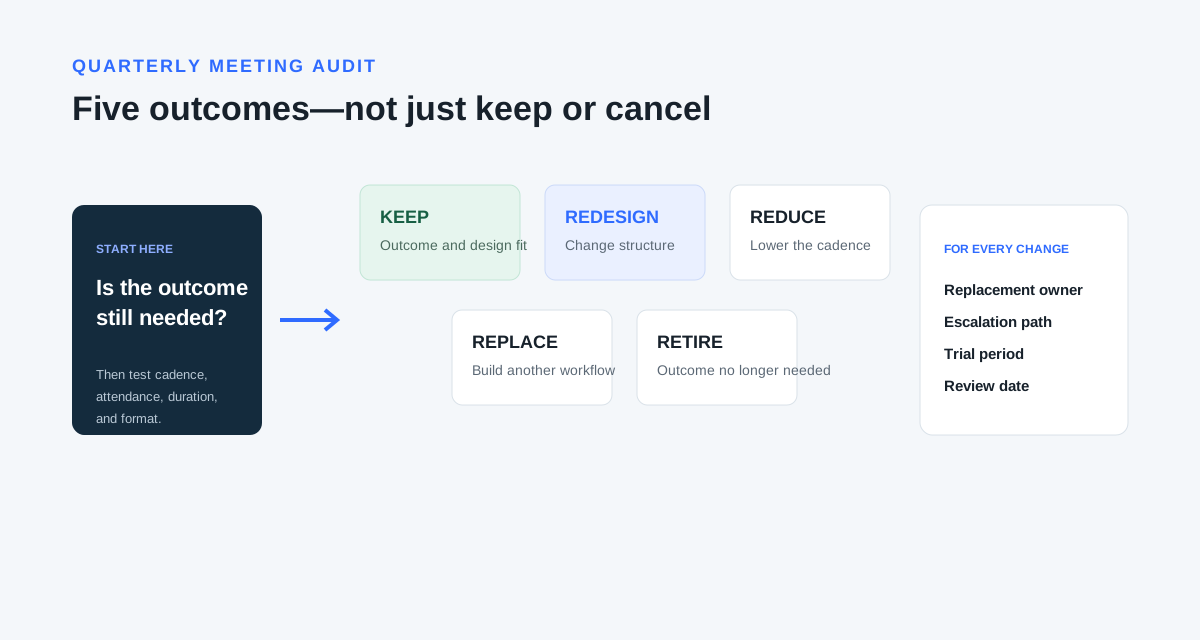
- Keep: necessary outcome and proportionate design
- Redesign: necessary outcome, but attendance or structure is weak
- Reduce: useful outcome that does not need the current cadence
- Replace: outcome can be produced reliably through another workflow
- Retire: outcome is no longer needed or is duplicated elsewhere
Calculate the change against a credible alternative
Annual participant hours make options comparable, but the alternative also consumes time. If a status meeting becomes a written update, estimate the time required to prepare, read, and resolve exceptions. If attendance is reduced, include the effort needed to publish a useful summary.
State the expected operational effect as well as the hours: faster escalation, more durable context, fewer handoffs, or greater decision clarity. Capacity returned to the team is not automatically a cash saving.
Run a reversible trial
For a meeting that coordinates meaningful work, test the change for four to six cycles. Name the replacement owner, escalation route, measures, and review date. Preserve a way to restore or redesign the meeting if missed context, slower decisions, or new rework appears.
Record the result in a small decision log so a new manager does not recreate the old series without knowing why it changed.