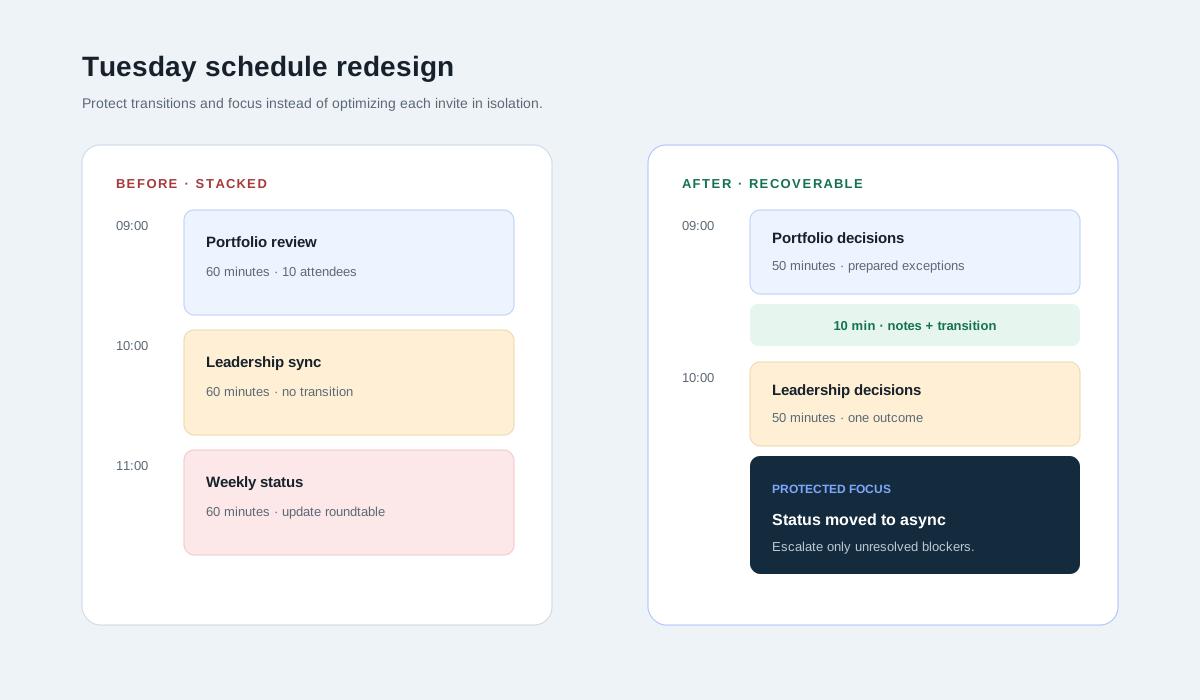
Look at clusters, not only individual duration
Four well-run meetings placed back to back can still create a difficult workday. Participants must switch topics, capture follow-up, move rooms, handle basic needs, and prepare for the next context. A calendar audit should mark sequences, fragmented focus periods, and meetings that regularly overrun into one another.
Inspect representative weeks for different roles. A facilitator may prepare and recover differently from an optional attendee; a manager's coordination-heavy day is not a neutral model for someone doing sustained individual work.
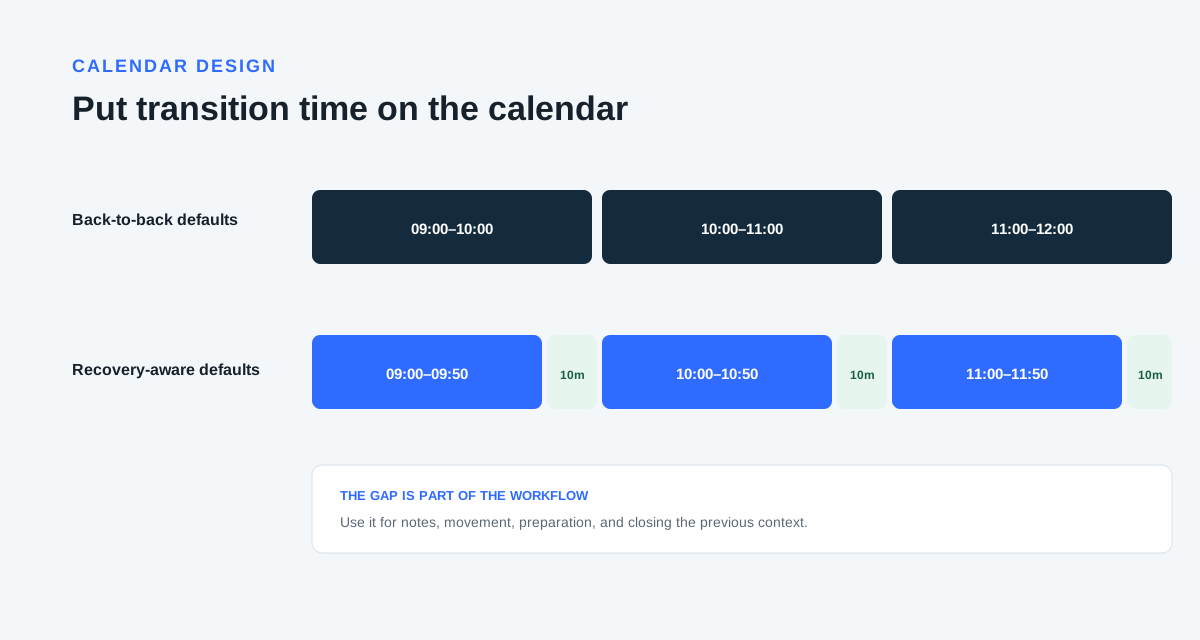
Create the gap in the invitation
A stated intention to finish early is weaker than a shorter calendar block. Use 25 or 50 minutes when the work permits, and protect the final minutes for decisions and actions rather than allowing discussion to consume the close.
Avoid treating shorter as automatically better. A 25-minute decision meeting works only if context is prepared, the scope is bounded, and the required authority is present.
Choose cadence from the rate of change
Recurring meetings often inherit a weekly or monthly rhythm without an explicit reason. Set cadence from how quickly inputs change, how costly delayed coordination would be, and how much meaningful work can occur between sessions.
Use triggers for irregular work when possible: a risk threshold, a decision ready for review, or a milestone reached. Keep predictable office hours when availability itself is the service the meeting provides.
Test the pattern and watch for displaced work
When reducing a meeting, check whether coordination simply moves into more messages, duplicated one-to-ones, or emergency huddles. Track meeting hours alongside blocker age, decision turnaround, rework, and the time required to prepare written updates.
Ask participants about recovery and relevance rather than using attendance as a proxy for engagement. Revisit the design after a defined trial instead of allowing the new pattern to become permanent by default.